NCERT Judiciary Chapter Row May Create ‘Chilling Effect’ on Textbook Writers, Says Michel Danino
Michel Danino says the NCERT judiciary chapter controversy may discourage textbook writers and affect academic freedom and innovation in education.on May 29, 2026
.jpg)
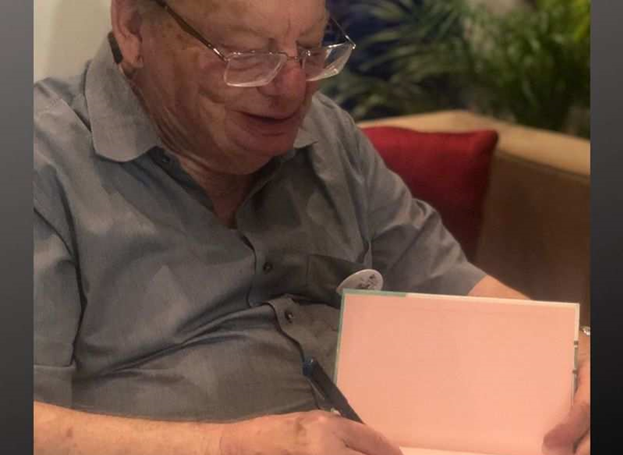
Padma Shri and academic, Michel Danino, has issued a stern warning regarding the consequences of the recent NCERT judiciary controversy and said that the previous orders of the Supreme Court in the matter would act as a 'chilling effect' for textbook writers, thereby stifling any kind of innovation in the Indian education system.
It may be mentioned here that Professor Danino was among the academicians who were banned from writing textbooks for life by the Supreme Court in the matter of Class 8 chapter on Judiciary but then changed its orders and gave governments and educational institutions freedom of action on the issue.
In his conversation with PTI, he stated that the controversy had raised several important questions regarding textbook writing within the academia.
"Whatever the Supreme Court bench has done in this case will definitely have a 'chilling effect' on present and future textbook writers. They won't be as free to innovate," he said. He further added that creativity and experimentation are imperative to write fresh textbooks according to NEP 2020.
However, he added that despite the fact that the court had expressed that its order was not intended to affect academic freedom, the overall consequences of the ruling could lead to discouraging intellectuals from risking their thoughts.
Additionally, he mentioned the increasing responses from academicians all over the country and stated that more than 50 academics had reportedly sent a letter to the President of India regarding the matter.
In addition to the controversy, he also criticized the current Indian education system for being “excessively textbook-centric,” and opined that the excessive use of textbooks in classrooms restricts the independent and creative thinking of the students.
Reflecting back to his days at school in France during the sixties, he observed that at his school, textbooks were only for additional studies, and instructors used other materials and class discussions for teaching purposes.
“…the issue is not about lightening the load of schoolbags, but lightening the tyranny of textbooks in classrooms,” he argued.
As per Danino, the transformation of the system depends on enhanced teacher training. According to him, teachers need to engage in independent research and develop learning materials rather than depending solely on books.
However, he did acknowledge that there are some practical difficulties for Indian schools like a lack of facilities, internet connection, and educational resources in most cases.
For example, he highlighted that in many rural schools, textbooks are the only sources available. Therefore, it becomes challenging to implement any sort of system change without any improvement in the education sector.
He termed this as an unfortunate situation, as the country needs to realize its limitations in terms of textbook-based teaching if it wants to achieve the goals of NEP 2020.
Post a comment
0 comments

Trending Posts
.jpg)
.jpg)


.jpeg)

.jpg)
Recent Post
.jpg)
.jpg)



Related Post





© 2026 - Frontlist - News and Updates of Publishing Industry, Book Reviews, Education News, Author Interviews, and Videos.. All Rights Reserved.
Sorry! No comment found for this post.